The Salt Lake City Film Festival Circa 2011 -2013
For a several years this was the official site for the Annual Salt Lake City Film Festival.
The Salt Lake City Film Festival was dedicated to empowering the independent filmmaker through exhibition, community engagement, education and resource management while both stimulating and perpetuating creative economies.
Content is from the site's 2011 - 2013 archived pages and other outside sources.
5th Annual
Salt Lake City Film Festival
September 26, 2013 to September 29, 2013
5060 West Amelia Earhart Drive
Unit B
Salt Lake City UT 84116
USA
MISSION
The Salt Lake City Film Festival is dedicated to empowering the independent filmmaker through exhibition, community engagement, education, and resource management while both stimulating and perpetuating creative economies.

Background
The Salt Lake City Film festival was created in April 2009 by cofounders Matt Whittaker and Chris Bradshaw. Developing from a love of film and the desire to enhance Utah’s perse film landscape, the SLCFF is looking forward to celebrating its fifth annual festival on September 26-29, 2013. As Utah has been recognized artistically, culturally, and economically around the world as an epicenter for independent film, it was the aspiration of the SLCFF to bring an accessible international film festival to the residents of the Salt Lake Valley and its surrounding community.
The SLCFF staff prepares all year for the festival, which occurs annually for four days at the end of September and is housed in venues in the downtown area. In four years, the festival has screened hundreds of films from all over the world and has participated in other community-based events where culture, arts, and education thrive. In the first two years alone, the festival reached thousands of people through its grassroots efforts. Attendance at each year’s festival has continually increased.
This continued success is due to support from the Salt Lake community and to the festival’s dedicated volunteer staff. Since the beginning, the Salt Lake City Film Festival has consisted of an enthusiastic group of community volunteers, film lovers, and filmmakers. All of our staff members have roots in the film industry, film education, public administration, and the arts.
The SLCFF is proud to provide activities that foster an appreciation of the art of film as well as educate local and regional filmmakers, students of film, the broader arts community, and the general public. Entering into its fifth year, the Salt Lake City Film Festival has only grown more dedicated to fulfilling its mission of supporting Salt Lake City and the wider world of film.
2013 Festival Award
Best Documentary Feature
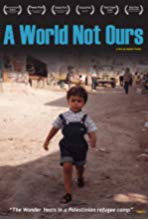
A World Not Ours
Alam laysa lana (original title)
Mahdi Fleifel
Best Short Film
Idiot.

Aaron Harvey
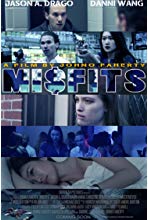
Misfits
Johno Faherty
Welcome to the official blog of the Salt Lake City Film Festival!
2013 SCHEDULE NOW AVAILABLE!
Tickets for the 2013 festival are on sale now! Get your tickets early as screenings do sell out!
The first Wednesday of every month, the SLCFF hosts a free screening at Brewvies Cinema Pub (679 S. 200 W. 21+) called HEFFE'FILM'IN. This year, we're showcasing some of the best science fiction films of the century, so make sure you come out and join us.
Be sure to join the SLCFF in all of our special screenings and monthly programs!
You can also follow us on various social media sites to stay up to date with what's going on with the Salt Lake City Film Festival!
PRESS
All The World’s a Screen: The Salt Lake City Film Festival
BY 15 BYTES ON SEPTEMBER 6, 2012
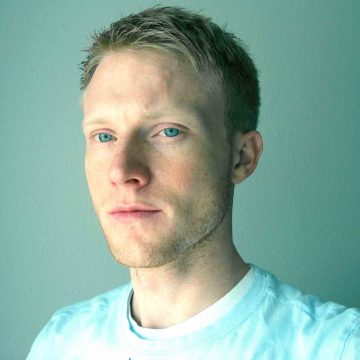
Chris Bradshaw
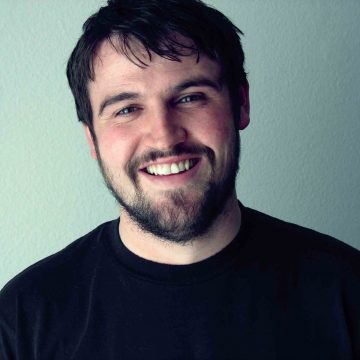
Matt Whitaker
Chris Bradshaw and Matt Whittaker weren’t content, however, and in 2009 they began the Salt Lake City Film Festival. Whittaker had just finished a degree in film production, and Bradshaw was already establishing himself in the film world when they decided to give the city its own international film festival. While they recognized the importance of serving the broader community, Whittaker says their real purpose “was to discover great films/filmmakers and figure out new ways of getting them distributed.”
Drawing up plans for the first year Bradshaw and Whittaker expected the festival to be a one-day event, at the City Library. By March of 2009, however, the project had swelled to three days, two locations, over 100 submissions and a ten-member staff. And it has only continued to grow. Four years later it is a four-day event housed in four venues (The Tower Theater, The Broadway Theater, The Post Theater, and Brewvies Cinema Pub), and selections are culled from over four hundred entries.
“We run entirely on the goodwill of our (all-volunteer) staff,” Whittaker says. “And this is no every-other-weekend type work. This can be a 15-20 hour per week commitment. So, with no pay, I’m really grateful that our staff is willing to do what they do.”
The response from the public has been equally as important. “Sincerely, as cheesy as it sounds and as difficult as this can be, a receptive audience reminds me why I do it; it validates our efforts and makes it very clear that this is a good thing for the community and the individual filmmaker.”
While the festival is international, receiving entries from places like Taiwan and Jerusalem, it is also very local. To keep things fresh, Whittaker says, they won’t allow films that have previously premiered in the state: so if you’ve already seen it at Sundance, you won’t see it here. And they also look for films by local talent, or connected to local issues. This year they will be opening the festival with a documentary film called Duck Beach to Eternity, which deals with the exploits of young, single Mormon men and woman who travel to Duck Beach, North Carolina for spring break. “Without giving too much away, the film was directed by an ex-Mormon, a current Mormon, and a non-Mormon which gives it a refreshing non-bias feeling,” says Whittaker. “It shows the beauty and contradictions of this event without forcing an agenda on either side.”
Another movie of local interest is Kenny Riches’ Must Come Down, a feature-length film shot in Salt Lake last year. Must Come Down tells the story of Holly (played by local Ashely Burch) and Ashley (Salt Lake’s David Fetzer), two twenty-somethings going through the pangs of late late adolescence. Ashley, who has just quit his job, is obsessed with his childhood home, camping out on the bus stop across the street to watch the new occupants as he plans a nostalgia-driven break-in. Holly, recently split with and fired by her restaurant-manager boyfriend, joins up with Ashley for a series of strange misadventures bathed in the glow of fleeting youth aching with the pains of growing up.
Riches is well-known in the local arts community, for his roles in Kayo Gallery, the GARFO gallery, and for his own exhibition history. He left earlier this year for Miami. Since the movie itself is about returning home (in a stroke of luck, the current owners of Riches’ own childhood home let him use their house in the film), it is appropriate that the upcoming screening will be a sort of homecoming for Riches.
With the growing success of the Salt Lake City Film Festival, independent film seems to have found another solid home in our state.
The 2012 Salt Lake City Film Festival takes place September 20-23 and features 17 feature-length films and 18 shorts.
2012 Schedule & Tickets
Our 2012 Official Selections will be announced in August. Our monthly film series- HEFFE'FILM'IN takes place the 3rd Wednesday of each month, at Brewvies Cinema Pub, 677 S. 200 W. SLC, UT
The 2012 Salt Lake City Film Festival takes place September 20-23 and features 17 feature-length films and 18 shorts.
Submissions
2012 Submissions are open from Febuary 16th - July 6th
- Submissions will be handled exclusively through Withoutabox.com
To submit your film:
- Click on the "Without a Box" button at the top of this page
- Follow the Link
Feature Deadlines and Fees:
- Early: April 27, 2012 - $15.00
- Regular: June 22, 2012 - $20.00
- Late: June 29, 2012 - $25.00
- Extended: July 6, 2012 - $30.00
Short Deadlines and Fees:
- Early: April 27, 2012- $10.00
- Regular: June 22, 2012- 15.00
- Late: June 29, 2012- $15.00
- Extended: July 6, 2012- $20.00
Circa 2011
The Salt Lake City Film Festival 2011 KickStarter
The Salt Lake City Film Festival is a grassroots, international film festival whose mission is entertain and educate. It's what we do.
61 backers pledged $3,207 to help bring this project to life.
The Salt Lake City Film Festival is moving into it's third year as a grassroots film festival (August 18th-21st) and we couldn't be more excited! We have already screened more than 100 Features, Documentaries, and Shorts from all around the world and are so pleased about this year's program. We are also on the cusp of becoming a 501-C3 (nonprofit organization) which has been a very challenging process, but one that will undoubtedly allow us to expand and make things even better! We are dedicated to this festival like it was our own child, or a pet... or a pet that resembles a child. Either way, we are in it to the end. We love our city in the summer months and want the world to see cinematic offerings beyond the winter festival mammoth which is Sundance.
However, as costs grow we always have to address our VENUE RENTAL. Seems easy enough, right? Well, when all is said and done, venue rental costs total more than 5,000 dollars. I can tell you, we're small, and that fiscal demon is a budget-breaker. With an unpaid staff of 12 people, you can see why we reach out to the community. Our goal is to raise 3,000 dollars to offset these costs. That way, more of our limited budget can be used in getting these great filmmakers out here from all corners of the globe and putting them up in a proper hotel. I know this is cliche, but we can't do this without your gracious support.
The way we see it, raising 3,000 dollars is a complete possibility and we intend to do so in 30 days. If we can make that goal, we'll have the down-payment ready and in the hands of the venue owners right before the festival begins (or at very least confirmed). We know we can make this happen! As artists ourselves, we understand that this entire local, national, and international film community is intrinsically connected and it's a beautiful thing! It's the one thing that reminds us that this labor of love is completely worthwhile in every way.Thank you in advance for your aid in this process. Please take advantage of our awesome pledge rewards.
History
The Salt Lake City Film Festival has been in development for years. It became a reality when the festival directors, Chris Bradshaw and Matt Whittaker, decided to create an artistic outlet for local and international talent. Led by a creative team of artists and event coordinators, the Salt Lake City Film Festival was designed to provide exposure and commercial avenues for independent films. We invite you to come participate in the newest artistic event in Salt Lake City.
2011 Team
Chris Bradshaw
Festival Co-Director
chris@slcff.com
Chris Bradshaw is a freelance film and video engineer who has worked his way from the drudges of wedding videography to more rewarding industrial, commercial, and independent production. Chris is the director of ten narrative films, two documentaries and five industrial spots. He is the editor of over thirty productions. Independent film is not simply an interest to Chris; it is a sick and unhealthy life long obsession.
Matt Whittaker
Festival Co-Director
matt@slcff.com
Matt has been involved in film production for almost a decade with acting and directing credits that span from small independent and university productions to large commercial productions from companies like: The Sci-Fi Channel, Bailey Lauerman and DZB Productions. Matt is also a graduate of the University of Utah with a BA in Film Production and a BA in Spanish. He currently teaches film at the Salt Lake City Community College.
Justin Allred
Director of Festival Programming
justin@slcff.com
Mr. Allred has spent his brief life watching film and most have been good. He adores his community and wishes to see art and culture flourish. Currently, Mr. Allred pides his time between counseling and amateur writing, both of which are met with great acclaim from his loved ones.
Brady Kimball
Associate Director of Festival Programmer / Webmaster
brady@slcff.com
Brady Kimball has actively been involved in Salt Lake's film community for many years. He has spent countless hours studying film from across the world after watching a terribly subtitled VHS copy of Jean-Luc Godard's Weekend. Brady is a manager of ones and zeros by day and a cinephile by night.
Joshua Rathbun
Festival Programmer / Sponsor Relations
josh@slcff.com
Josh Rathbun is a life-long fan of film and comic books. He has been involved in a large capacity in the Salt Lake hardcore music scene since the early 90s. He keeps a pop culture blog over at 4thdownandhelltogo.com and is a freelance contributor for the comic book/pop culture website Comic Related.
Scott Whittaker
Associate Director of Events
scott@slcff.com
Scott has over twelve years experience in promotions and has been involved in planning many local events. Scott has spent the majority of his time working with local musicians in the Salt Lake City music scene both as a musician and promoter. Scott has been independently involved in film production and has a great passion for the arts. Scott anticipates the collaboration of local venues, businesses and local filmmakers to make the festival a success and to give back to the city he loves!
Trevor Hale
Associate Director of Media Relations
trevor@slcff.com
Trevor is currently working on a degree in Writing and Film Studies at the University of Utah and has been for the better part of a decade. Trevor was a staff writer for the Daily Utah Chronicle for a year before becoming editor of Red Pulse magazine in early 2008. He has also worked as a freelance contributor for City Weekly for the past five years and runs the music site Grudge City Activities.com. His passions have always been for writing and film and since he doesn't have the patience or the vision to become a successful filmmaker on his own, he's teamed up with the SLCFF to help other, far more talented inpiduals, realize their dreams.
Nick Whittaker
Associate Director of Media Relations
nick@slcff.com
Nick Whittaker has been a supporter of the arts for years. He has a great passion for film and music. From a young age Nick has been involved in the Salt Lake art community in either film or music. His love of film has given him great enthusiasm and honor to take part in the SLCFF and to encourage filmmakers everwhere to get involved and share their artistic talents.
Laura Chukanov
Co-Director of Marketing and University Liaison
laura@slcff.com
Laura graduated from the University of Utah with a BA in International Studies and minors in Art History and Leadership. Laura is very passionate about art and currently works for Mondo Fine Art, a local art gallery. Last year, Laura had a year full of involvement with grass roots initiatives while holding the title of Miss Utah USA 2009.
Miah Mabe
Co-Director of Marketing
miah@slcff.com
Mr. Miah Mabe is a lover of the film, the art community, and finds the marketing facet of those two most intriguing. Mr. Mabe believes in the importance of being connected to the community, and is passionate in pursuing the awareness of local artists by getting their names and projects to the venues that would best help them accomplish their goals. Mr. Mabe feels the immense opportunities that the Salt Lake City Film Festival offers has helped him find a niche and plans on actively flexing his creative prowess in the pursuit to raise awareness.
The Salt Lake City Film Festival 2011 KickStarter
By Sean P. Means The Salt Lake Tribune
August 12, 2011
Simon Arthur's producer told him the Salt Lake City Film Festival had a good reputation.
"It's a very young festival, but it has a dynamic for picking edgy films," said Arthur, who wrote and directed the tough-minded drama "Silver Tongues," the opening-night film of the third annual Salt Lake City Film Festival, playing Thursday, Aug. 18, at the Broadway Centre Cinemas.
The festival continues Friday to Sunday, Aug. 19-21, at the Tower Theatre, the Post Theater at Fort Douglas and Brewvies Cinema Pub — with 15 features and an array of short films from around the world.
"It's great, it's the first time we've ever opened a festival — it is a really big honor," said Arthur, whose film took the audience award at this year's Slamdance Film Festival in Park City.
Chris Bradshaw, the festival's co-director, said "Silver Tongues" — in which a couple (played by Enid Graham and "Oz's" Lee Tergesen) take to the road to role-play with strangers in disturbing ways — "messed me up for a while."
The number of submissions doubled for this year's festival, said co-director Matt Whittaker, from around 120 last year to between 240 and 300 this year. The directors credit the increase, in part, to the use of a national online submissions platform, WithoutABox, but also because "the filmmakers were actively interested in screening our films in the Salt Lake City Film Festival," Whittaker said.
Filmmaker Chris Metzler said he wanted to come to Salt Lake City because "there's a thriving alternative subculture. We're always looking for those communities."
Metzler's movie could play well with that alternative scene. Metzler and Lev Anderson directed "Everyday Sunshine: The Story of Fishbone," a documentary on the pioneering Los Angeles band that broke racial barriers as African-American punk rockers.
"The thing that really attracted me to Fishbone is that they were outsiders. In tumultuous times, they went to white neighborhoods and fell in love with punk rock," Metzler said. "These guys who didn't fit in anywhere."
Fishbone, Metzler said, "was always a lot more critically successful than commercially successful." Another sign of the band's acclaim are the musicians who sing their praises, and the movie includes interviews with Flea (of the Red Hot Chili Peppers), Gwen Stefani, Perry Farrell, Branford Marsalis, George Clinton and ?uestlove(of The Roots).
—
Utah connections • Joan Sekler's documentary "Locked Out" is about unionized miners in Boron, Calif., who were locked out of their jobs by the mining conglomerate Rio Tinto. She wanted to show it in Utah, where Kennecott Utah Copper, Rio Tinto's subsidiary, operates one of the world's largest copper mines.
"I actually applied to 50 different film festivals in almost every state," Sekler said. "I was especially interested in the one in Salt Lake City and the one in Grand Rapids, Mich." — about an hour from Marquette, in Michigan's Upper Peninsula, where Kennecott has a mining operation.
"The festivals I've been in are not the big ones like Sundance," Sekler said. "They're in cities with a lot of working people, with a lot of unemployment." Even so, she said, audiences have been thrilled with her film — which tells a story where (spoiler alert) organized labor wins out over corporate interests for a change.
Sekler said one of the Boron miners, who had recently retired, was approached at a screening in northern California by workers at a nearby Walmart, a notoriously anti-union company. "They had gotten copies of the documentary, and they put it in a brown paper bag and were passing it around," Sekler said.
For filmmaker Dustin Guy Defa, bringing his dramatic feature "Bad Fever" to the Salt Lake City festival is a homecoming of sorts. Defa, who relocated to Brooklyn in 2004 after spending most of his life in Salt Lake City, filmed his drama in the Glendale neighborhoods where he once lived.
"The film is, basically, a sort of outpouring of a number of years of built-up feelings of not being able to express myself," Defa said of his film, which stars Kentucker Audley as a guy with no sense of humor who tries to impress an attractive drifter (Eleonore Hendricks) by performing a stand-up comedy act.
As he wrote his script, Defa said, "the movie became about my feelings about myself living in Salt Lake City. … I realized I felt I was unable to express myself when I was living in Salt Lake City. I got interested in this curious feeling of repression. … Every time I come back to Salt Lake City, I see it more. I see my friends struggling to express themselves."
Defa stretched his meager budget by shooting "Bad Fever" in Salt Lake City in November 2009, using local actors and crew members. "It was a supportive, wonderful thing," he said.
"Bad Fever" debuted at the SXSW Film Festival in Austin, Texas, this spring, and Defa has been to a couple other festivals since. The Salt Lake screening will be bittersweet, he said. "The worst thing is I can't actually come there," said Defa, who is also an actor and is lucky enough to have a job on a movie.
Long ride • Jen White's day job — she's a cinematographer who's working on reality shows for MTV's Spanish-language channel Tr3s — might keep her from coming to Salt Lake City along with her movie, the drama "Between Floors." Her movie intercuts five stories, each taking place in a stuck elevator.
White shot each story in hourlong takes, using what she called "structured improv" to "let the actors have a lot of play. … I was more interested in the mood of the scene [than in rigidly following the script]. It never felt on the page the way it felt in my head."
"Between Floors" has been a long rider on the festival circuit, hitting more than a dozen in the past two years. The experience has taught White that the relative youth of the Salt Lake City Film Festival is not necessarily a bad thing.
"There are certain festivals where you think you're getting there and there will be a certain level of organization, because of the length of time it's been running. But you get there and they haven't done any advertising," White said. "Or you get there and you think it's some regional festival, but they totally have their s—- together. … Most of them have been good surprises."
Tickets are $10 per screening (plus convenience fees)
Here's a schedule of screenings, by day and venue:
Thursday, Aug. 18
Broadway Centre Cinemas • "Silver Tongues," 7:30 p.m. (sold out).
Friday, Aug. 19
Tower Theatre • "Green," 2:30 p.m.; "Bad Fever," 4:50 p.m.; "Silver Tongues," 7 p.m.; "Surrogate Valentine," 9:30 p.m.
Post Theatre • "Zeitgeist: Moving Forward," 3 p.m. (free); "Parade," 7 p.m.; "Better This World," 9:30 p.m.
Brewvies Cinema Pub • "Subway Preacher," 10 p.m.; "Between Floors," midnight
Saturday, Aug. 20
Tower Theatre • "The Invention of Dr. Nakamats," noon; shorts program, 2:30 p.m.; "Subway Preacher," 4:50 p.m.; "Better This World," 7 p.m.; "Everyday Sunshine: The Story of Fishbone," 9:30 p.m.
Post Theatre • "We Were the Vanquished," 3 p.m.; "The Invention of Dr. Nakamats," 5 p.m.; "Bad Fever," 7 p.m.; "Locked Out," 9:30 p.m.
Brewvies Cinema Pub • "Silver Tongues," 10 p.m.; "Surrogate Valentine," midnight
Sunday, Aug. 21
Tower Theatre • "Everyday Sunshine: The Story of Fishbone," noon; "Locked Out," 2:30 p.m.; "Jess + Moss," 4:50 p.m.; "Parade," 9:30 p.m.
Post Theatre • "The Book," 3 p.m.; "Between Floors," 5 p.m.
Broadway Centre Cinemas • Best of Fest, 7:30 p.m. (free; first come, first served).
More Background On SaltLakeCityFilmFestival.com
SaltLakeCityFilmFestival.com serves as the historical and informational hub for the Salt Lake City Film Festival (SLCFF), a grassroots-driven independent film festival that operated prominently in the early 2010s. While the site today functions more as an archival snapshot than an actively maintained platform, it offers a detailed look into a regional festival that aimed to amplify independent voices, foster local creative culture, and provide an accessible alternative to larger, more commercial film festivals.
The festival itself was rooted in Salt Lake City, Utah—a location already globally recognized for its association with the Sundance Film Festival. However, the Salt Lake City Film Festival distinguished itself through its community-centric philosophy, lower barriers to entry, and emphasis on emerging filmmakers.
Founding, Ownership, and Leadership
The Salt Lake City Film Festival was founded in 2009 by filmmakers and creatives Chris Bradshaw and Matt Whittaker, both of whom were deeply embedded in Utah’s film and arts community. Their goal was not simply to create another film festival, but to establish a platform that could:
- Provide exposure to independent filmmakers
- Build a sustainable local film culture
- Connect regional talent with international audiences
Bradshaw brought experience as a film and video engineer and director, while Whittaker contributed a background in film production and education, including ties to the University of Utah and Salt Lake Community College.
Unlike many larger festivals, SLCFF operated largely through volunteer efforts. The organizational structure included programmers, marketing coordinators, media relations staff, and event planners—all contributing their time to sustain the festival. This grassroots ownership model shaped both the tone and operations of the festival, reinforcing its identity as a community-driven initiative rather than a commercial enterprise.
Mission and Core Philosophy
At the heart of the Salt Lake City Film Festival was a clearly defined mission:
- Empower independent filmmakers
- Promote education and artistic appreciation
- Stimulate creative economies
- Foster community engagement
This mission aligned closely with broader trends in independent film culture during the late 2000s and early 2010s, when digital filmmaking tools were democratizing production and increasing the number of filmmakers seeking exhibition platforms.
The festival emphasized accessibility—not just for filmmakers, but for audiences. By hosting screenings in approachable venues and keeping ticket prices relatively affordable, SLCFF positioned itself as an inclusive cultural event.
Location and Venues
The festival took place in Salt Lake City, Utah, a city with a unique dual identity:
- A global film destination due to Sundance (held in nearby Park City)
- A growing local arts and culture hub
SLCFF screenings were held across multiple venues in the Salt Lake area, including:
- The Tower Theatre
- Broadway Centre Cinemas
- Brewvies Cinema Pub
- The Post Theater at Fort Douglas
These venues contributed to the festival’s decentralized and community-oriented feel. Rather than a single, high-profile location, the festival spread across the city, encouraging exploration and engagement with local businesses.
Timing and Structure of the Festival
The Salt Lake City Film Festival was typically held annually in late September, lasting approximately four days. This timing was strategic:
- It avoided direct overlap with Sundance (January)
- It extended Utah’s film calendar beyond the winter season
- It provided filmmakers another opportunity to screen in a region already known for film
The festival format included:
- Feature film screenings
- Short film programs
- Documentary showcases
- Monthly screening events throughout the year
This year-round programming, including recurring events like monthly film series, helped maintain audience engagement beyond the main festival dates.
Submissions, Selection Process, and Programming
SLCFF accepted film submissions from around the world, using platforms like Withoutabox (a widely used submission service at the time). Submission categories included:
- Feature films
- Short films
- Documentaries
The selection process was competitive, with hundreds of submissions received annually. Films were curated based on:
- Originality
- Artistic merit
- Relevance to contemporary issues
- Local or regional connection (when applicable)
One distinctive programming rule was that films previously premiered in Utah—particularly at Sundance—were generally not included. This helped maintain freshness and ensured audiences were exposed to new content.
Awards and Recognition
The Salt Lake City Film Festival presented awards across multiple categories, including:
- Best Documentary Feature
- Best Short Film
- Audience awards
Winning films often reflected the festival’s focus on independent storytelling and global perspectives. For example, documentary features with strong socio-political themes and experimental short films frequently received recognition.
Although the festival did not carry the same industry weight as Sundance, it offered valuable exposure for filmmakers, particularly those early in their careers.
Audience and Community Engagement
The festival’s audience consisted of a mix of:
- Local film enthusiasts
- Students and educators
- Independent filmmakers
- Members of the broader arts community
Attendance grew steadily during its active years, reflecting increasing community support and awareness.
One of the festival’s key strengths was its ability to connect filmmakers directly with audiences. Post-screening discussions, informal networking opportunities, and accessible venues contributed to a more intimate and interactive experience compared to larger festivals.
Relationship to Sundance and Utah’s Film Ecosystem
Operating in Utah inevitably meant coexisting with the Sundance Film Festival, one of the most prestigious film festivals in the world.
Rather than competing directly, SLCFF positioned itself as:
- A complementary event
- A platform for films that might not fit Sundance’s programming
- A more accessible option for both filmmakers and audiences
This relationship highlights an important dynamic in film culture: major festivals often create ecosystems that allow smaller, regional festivals to thrive alongside them.
Salt Lake City itself benefited from this ecosystem, developing a reputation as a year-round film destination rather than a single-event location.
Press Coverage and Media Attention
The Salt Lake City Film Festival received coverage from local media outlets, including The Salt Lake Tribune, as well as arts and culture publications.
Media coverage often emphasized:
- The festival’s grassroots origins
- Its rapid growth in submissions and attendance
- Its role in supporting independent film
Critics and journalists noted the festival’s ability to attract diverse films from around the world while maintaining a strong local identity.
Cultural and Social Significance
The cultural importance of the Salt Lake City Film Festival extends beyond its screenings. It played a role in:
- Strengthening Salt Lake City’s arts community
- Providing a platform for underrepresented voices
- Encouraging collaboration among local creatives
The festival also contributed to discussions around identity, culture, and social issues through its programming. Films often explored themes such as:
- Personal identity
- Community dynamics
- Economic challenges
- Artistic expression
By presenting these stories in an accessible format, SLCFF helped foster dialogue within the community.
Financial Model and Grassroots Nature
One of the defining characteristics of the Salt Lake City Film Festival was its grassroots financial structure. The festival relied on:
- Volunteer labor
- Community support
- Modest ticket sales
- Crowdfunding efforts
Unlike large festivals with major corporate sponsorships, SLCFF operated on a relatively small budget. This created challenges—such as venue costs—but also reinforced its authenticity and community-driven ethos.
Crowdfunding campaigns and local partnerships played a key role in sustaining the festival during its active years.
Website Structure and Features
SaltLakeCityFilmFestival.com functioned as the central hub for:
- Festival schedules
- Ticket information
- Submission guidelines
- Blog updates
- Press releases
The site reflected early 2010s web design trends, with a focus on functionality over aesthetics. Key features included:
- Announcements of official selections
- Submission deadlines and fee structures
- Event calendars
- Information about staff and organizers
The inclusion of a blog added a dynamic element, allowing the festival to communicate updates and engage with its audience.
Decline, Archival Status, and Legacy
By the mid-2010s, the Salt Lake City Film Festival ceased regular operations, and the website transitioned into an archival resource. Several factors likely contributed to this:
- Financial constraints
- Competition for attention within the crowded festival landscape
- The challenges of sustaining a volunteer-driven organization
Despite its relatively short lifespan, the festival left a meaningful legacy:
- It demonstrated the viability of grassroots film festivals
- It contributed to the growth of Salt Lake City’s arts scene
- It provided a platform for numerous filmmakers
Today, SaltLakeCityFilmFestival.com serves as a digital record of that effort, preserving the history of a festival that embodied the spirit of independent filmmaking.
Broader Context in Independent Film Culture
The rise and evolution of the Salt Lake City Film Festival reflects broader trends in independent cinema during the early 21st century:
- Increased accessibility to filmmaking tools
- Growth in the number of film festivals worldwide
- Greater emphasis on community-driven cultural events
Festivals like SLCFF played an essential role in this ecosystem, offering opportunities for filmmakers who might otherwise struggle to find exhibition platforms.
SaltLakeCityFilmFestival.com represents more than just a website—it is a snapshot of a moment in independent film history when grassroots initiatives were thriving and communities were rallying around creative expression.
The Salt Lake City Film Festival may no longer be active, but its impact remains evident in:
- The filmmakers it supported
- The audiences it engaged
- The cultural conversations it helped spark
By examining the site and its history, one gains insight into the challenges and rewards of building a film festival from the ground up—and the enduring importance of local, community-driven arts initiatives.